
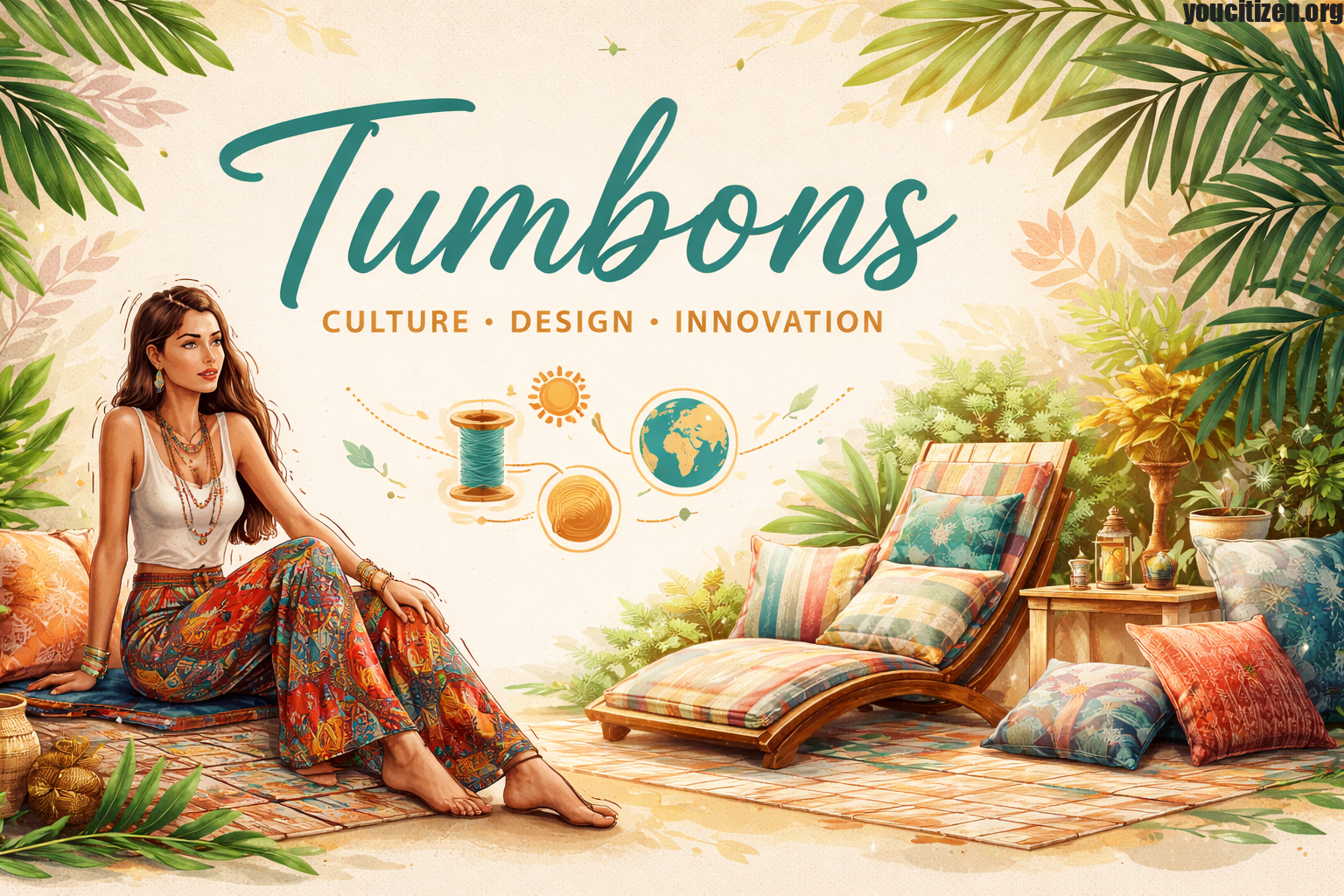
In today rapidly evolving cultural and design landscape, certain words emerge that capture attention across multiple industries. One such intriguing term is tumbons. At first glance, it may seem like a simple or even unfamiliar word. However, a deeper exploration reveals that tumbons represent a rich blend of culture, craftsmanship, functionality, and modern innovation.
From traditional garments rooted in heritage to outdoor furniture designed for comfort, and even conceptual frameworks used in business and creativity, tumbons have become a multi-dimensional concept. This article explores everything you need to know about their meaning, origins, global diversity, and relevance in modern life.
What Are Tumbons
The term tumbons does not have a single fixed definition; instead, it holds multiple meanings depending on the context in which it is used, making it both unique and highly versatile. In fashion and textiles, refer to traditional garments or woven wraps crafted from natural fibres using time-honoured cultural techniques. In contrast, within lifestyle and outdoor design, the term describes reclining loungers or portable seating designed for comfort and relaxation.
Beyond physical objects, tumbons also carry a conceptual meaning, representing a philosophy centred on balance, adaptability, and intentional design. Additionally, in an administrative context, (often spelled tambons) serve as local subdistrict units in Thailand and play a key role in governance and community organisation. Despite these varied interpretations, all meanings share a common underlying idea: a harmonious balance between structure and comfort.
History and Origins of Tumbons
The origins of tumbons are both historical and cultural, evolving across different regions over time.
Early Beginnings
Historically, tumbons as garments first emerged within agricultural communities, artisan societies, and cultural ceremonies, where they served both practical and symbolic purposes. These garments were far more than simple clothing; they represented identity, reflected local traditions, and showcased the skill and creativity of the makers. Each tumbon carried cultural meaning, often telling stories about the community, its values, and its heritage through patterns, colours, and craftsmanship.
Influence of Trade and Cultural Exchange
As global trade expanded over time, tumbons evolved through cultural interaction and exchange. Textile techniques spread across regions, allowing designs to blend and adapt to new influences. Materials also diversified depending on availability, with cotton becoming widely used in warmer climates for its breathability, while silk gained prominence in regions known for advanced weaving traditions. This cross-cultural exchange played a significant role in shaping the diverse and dynamic forms that exist today.
Traditional Tumbons Around the World
One of the most fascinating aspects of tumbons is how they vary across different cultures while still preserving their core essence. In South Asia, tumbons are characterised by bright, vibrant colours and intricate embroidery, often worn during festivals and ceremonies to reflect celebration, spirituality, and deep-rooted traditions.
In South America, they are handmade using natural fibres and dyed with plant-based colours, drawing inspiration from landscapes and nature, which highlights a strong connection to the environment. Across Africa, feature bold geometric patterns and symbolic colours that represent identity, status, and community, serving as powerful tools of visual storytelling unique to each tribe. Meanwhile, in East Asia,embrace minimalist designs with soft, subtle colour palettes, focusing on elegance, balance, and refinement, reflecting a cultural appreciation for simplicity and harmony.
Cultural Significance of Tumbons
Tumbons carry deep cultural meaning across societies, serving as more than just objects they are powerful symbols of heritage and identity. The patterns woven into tumbons often represent stories, historical events, or ancestral traditions, while colours can indicate emotions, social status, or cultural practices.
The overall design reflects the values and beliefs of a community, making each piece unique and meaningful. In many cultures, specific are worn during important occasions such as weddings and festivals, while others are reserved for mourning or spiritual rituals. This rich symbolism makes a significant medium for cultural expression and a lasting connection to tradition.
Tumbons in Fashion and Textile Design
In the modern world, tumbons have become increasingly relevant in the fashion industry, especially within the slow fashion movement, which values sustainability, quality, and cultural authenticity over fast production. Designers appreciate tumbons for their emphasis on handmade craftsmanship, as each piece reflects skill, tradition, and attention to detail that cannot be replicated by machines.
They also value the use of sustainable materials, which reduces environmental impact while promoting ethical production practices. Additionally, stand out for their unique, non-mass-produced designs, making each item distinctive and meaningful. Key features of textile include the use of natural fibres such as cotton, linen, and silk, along with handwoven or hand-embroidered patterns that showcase artistic heritage.
Modern Trends in Tumbon Design
As fashion continues to evolve, tumbons are also adapting to modern trends while maintaining their cultural essence. One of the most significant developments is the rise of sustainable fashion, where designers focus on eco-friendly materials, ethical production practices, and reducing environmental impact to create more responsible clothing.
Another important trend is fusion design, which combines traditional patterns with modern styles, blending cultural heritage with contemporary fashion to create unique and innovative looks. Additionally, versatility has become a key feature of tumbons, as they are now designed to be suitable for both casual and formal wear, making them easily adaptable to different occasions and lifestyles.
Tumbons in Outdoor Furniture and Lifestyle
- Tumbons are increasingly used beyond fashion as outdoor seating furniture.
- They are designed to be portable and lightweight, making them easy to carry anywhere.
- Most tumbons feature a reclining design that enhances comfort and relaxation.
- They are suitable for various outdoor settings such as patios, beaches, and camping trips.
- One major benefit is that they enhance relaxation and leisure experiences.
- Their structure also supports better ergonomic posture, improving comfort during use.
- Tumbons are easy to transport, fold, and store, adding to their practicality.
- Overall, they represent a balance of comfort, flexibility, and convenience in outdoor living.
Materials Used in Tumbons
Whether in textiles or furniture, materials play a crucial role in defining the comfort, durability, and overall quality of tumbons. In textile forms, people widely value cotton for its breathability and comfort, making it ideal for everyday use, while they appreciate linen for being lightweight yet highly durable, offering both strength and ease of wear.Silk, on the other hand, provides a luxurious and smooth texture that enhances the elegance of tumbon designs.
In furniture applications, wood offers natural beauty and aesthetic appeal, metal provides strength and long-lasting durability, and designers choose synthetic fabrics for their excellent weather resistance, especially in outdoor environments. Each of these materials brings its own unique advantages, making tumbons adaptable to different purposes and lifestyles.
How to Choose the Right Tumbons
Selecting the perfect tumbon depends on your specific needs and intended use, whether for fashion or furniture purposes. For fashion, it is important to choose natural fabrics that provide comfort and breathability, while also looking for authentic craftsmanship that reflects cultural value and attention to detail. Considering the cultural origin of the tumbon can also add meaning and uniqueness to your choice.
On the other hand, when selecting furniture, factors such as durability and material quality should be carefully evaluated to ensure long-lasting use. Comfort and adjustability are also essential for a better user experience, especially in seating designs. Additionally, weather resistance should be considered, particularly for outdoor use, to ensure the tumbon remains in good condition over time.
How to Style Tumbons
Styling tumbons allows for great creativity and self-expression in both fashion and lifestyle settings. In fashion, people can pair tumbons with simple tops to highlight their unique patterns and designs, while they can add accessories such as belts or jewellery to enhance the overall look.
Experimenting with layering also helps create a more dynamic and stylish appearance. In lifestyle use, especially for outdoor or interior spaces, you can style them with colourful cushions to create a vibrant and welcoming setup. You can also combine them with plants and decorative elements to enhance natural aesthetics, ultimately helping to create cosy and comfortable relaxation spaces that feel warm, inviting, and visually appealing.
Tumbons as a Philosophy
Beyond their physical uses, tumbons also represent a broader mindset or philosophy centered on balance and adapta in achieving long-term sustainability, ensuring that progress is steady and maintainable.
People widely apply this philosophy across various areas, including business strategies where adaptability drives success, creative workflows that encourage innovation, and personal development where individuals strive for continuous improvement and self-awareness.
Benefits of Tumbons
- Promotes comfort and relaxation in both lifestyle and design use
- Encourages sustainable practices through eco-friendly materials and methods
- Supports cultural preservation by keeping traditional designs and craftsmanship alive
- Enhances creativity and design innovation across fashion, furniture, and conceptual uses
- Improves versatility, making tumbons suitable for multiple applications such as fashion and outdoor seating
- Increases aesthetic appeal, adding beauty and uniqueness to personal and living spaces
- Encourages ethical consumption, supporting handmade and locally crafted products
Future of Tumbons
The future of tumbons looks highly promising as global trends increasingly shift toward sustainability, cultural appreciation, and more flexible lifestyles. As awareness of environmental responsibility and ethical production grows, tumbons will likely play an even greater role in eco-friendly fashion and design.
Future developments may include their integration into modern fashion brands that combine traditional craftsmanship with contemporary aesthetics, making them more accessible to global audiences. Additionally, the growth of sustainable and eco-friendly production methods will further enhance their value, while increased global awareness will help preserve their cultural significance and promote wider appreciation of their unique heritage and versatility.
Conclusion
Tumbons are more than just a keyword; they represent a powerful blend of culture, design, and innovation. From traditional garments to modern furniture and philosophical frameworks, tumbons continue to evolve while maintaining their core essence.
As the world moves towards more meaningful and sustainable living, stand out as a timeless concept that connects the past, present, and future. They continue to inspire creativity, encourage cultural appreciation, and promote a more balanced and thoughtful approach to design and lifestyle choices.