
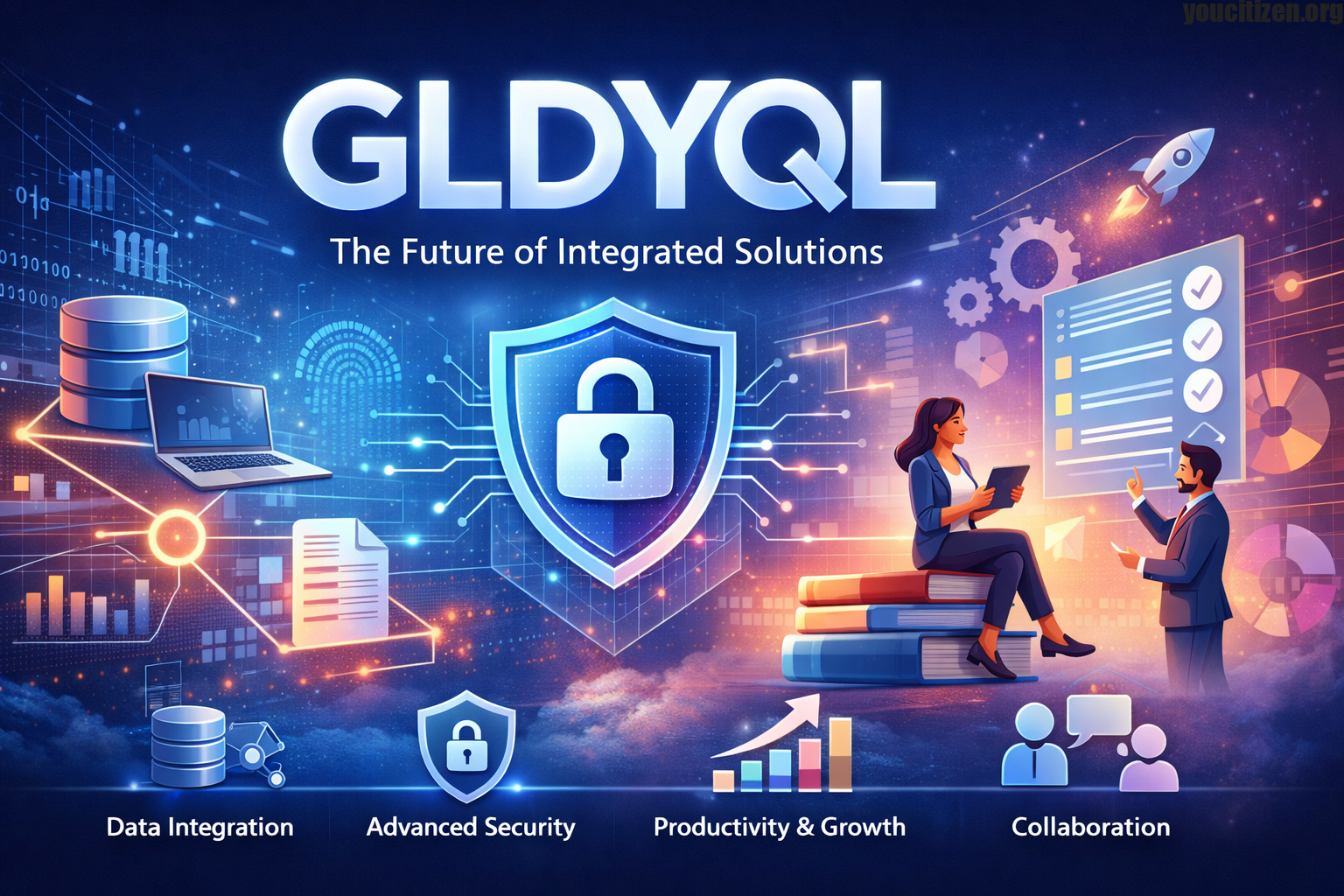
In today digital era, where data, innovation, and productivity define success, new frameworks are constantly emerging to bridge gaps between efficiency and growth. One such evolving concept is GLDYQL a flexible, scalable, and multi-dimensional framework designed to integrate productivity, data management, and digital innovation into one cohesive system.
At first glance,may seem like an abstract or unfamiliar term. However, its true strength lies in its adaptability. Unlike traditional frameworks that focus on a single function, GLDYQL operates across multiple domains, including personal development, business operations, education, and technology.
GLDYQL Model or Framework
The foundation of GLDYQL lies in its modular and adaptable architecture. This framework is built around three core pillars that work together to create a unified system:
Data Integration and Management
GLDYQL centralises data from multiple sources into a single, organised system. This includes both structured and unstructured data, ensuring seamless access and efficient usage. It eliminates data silos by creating a unified environment where information flows smoothly across systems and departments.Additionally, real-time synchronisation ensures that users always work with the most up-to-date data, improving accuracy and decision-making.
Security and Privacy
Security is a critical component. GLDYQL incorporates advanced encryption methods, access control systems, and real-time monitoring to protect sensitive information.
It uses multi-layered security protocols to safeguard data at every stage, from input to storage and transmission.Furthermore, role-based access ensures that only authorised users can interact with specific data, reducing the risk of internal breaches.
Productivity and Workflow Optimisation
The framework includes tools for habit tracking, goal setting, and team collaboration, helping users improve efficiency and achieve consistent growth.It streamlines workflows by automating repetitive tasks, allowing users to focus on high-value activities.In addition, integrated dashboards provide clear visibility into progress, performance metrics, and productivity trends.
Scalability and Flexibility
This modular structure allows GLDYQL to scale effortlessly from individual use to enterprise-level implementation.Users can customise modules based on their specific needs, making the framework highly adaptable across industries.It supports integration with existing tools and systems, reducing the need for complete infrastructure changes.As requirements evolve, GLDYQL can expand its capabilities without disrupting ongoing operations.
Connection Between GLDYQL and Digital Innovation
Digital innovation relies heavily on the ability to process data, adapt quickly, and implement efficient workflows. GLDYQL enhances this process by integrating:
- Artificial Intelligence (AI) for analytics
- Cloud-based collaboration systems
- Automated workflows for repetitive tasks
For organisations, this means faster decision-making and improved innovation cycles. For individuals, it provides valuable insights into productivity patterns and personal development.
Data Management in GLDYQL
Data is the backbone of any modern system, and GLDYQL takes data management to the next level.
Key Features
- Centralised Data Repository All information is stored in one place for easy access
- Real-Time Analytics Instant insights into performance and productivity
- Data Lifecycle Management Automated backups, updates, and archival
Effective data management ensures that users spend less time searching for information and more time making informed decisions.
Security Features of GLDYQL
In an age where cyber threats are rapidly increasing, security cannot be overlooked. GLDYQL incorporates multiple layers of protection to ensure data safety and privacy. It uses advanced encryption standards such as AES-256 to secure stored data and TLS 1.3 protocols to protect data during transmission, ensuring end-to-end security. Additionally, AI-powered real-time threat detection systems continuously monitor activities and instantly identify anomalies, helping to prevent potential breaches before they occur.
The framework also includes robust access control features, allowing users to define permissions so that only authorised individuals can access specific data. Together, these features make GLDYQL a highly secure and reliable framework for both individuals and organisations.
Personal Use Cases of GLDYQL
GLDYQL is not limited to businesses it is equally powerful for personal development, offering tools that support growth, self-awareness, and productivity. Users can set both short-term and long-term goals, track their progress, and receive AI-driven suggestions to improve performance and stay on track.
The framework also includes reflective journaling features, allowing individuals to record daily thoughts, analyse behavioural patterns, and make more informed decisions. In addition, habit tracking tools with visual dashboards and gamification elements help users build consistency, stay motivated, and enhance overall productivity.
Team and Startup Applications of GLDYQL
For teams and startups, GLDYQL provides a comprehensive system for managing operations efficiently and effectively. It centralises project management by organising tasks, deadlines, and performance metrics in one place, ensuring better coordination and accountability.
The framework also enhances communication through integrated messaging and file-sharing features, reducing the need for multiple external tools. Additionally, real-time analytics offer valuable insights that enable teams to make faster and more informed strategic decisions. As a result, GLDYQL becomes an essential solution for startups aiming to streamline workflows and scale their operations efficiently.
E Learning and Educational Applications
Education is another area where GLDYQL shows significant potential by transforming traditional learning into a more interactive and data-driven experience. It enhances student engagement through AI-driven recommendations that personalise learning paths based on individual needs and progress.
The framework also simplifies course management by automating tasks such as assignment submissions, grading, and attendance tracking, saving valuable time for educators. Additionally, detailed performance analysis reports enable teachers to identify students’ strengths and areas for improvement, allowing for more targeted and effective teaching strategies.
Benefits of Using GLDYQL
- Flexibility GLDYQL adapts to multiple use cases, including personal productivity, business operations, and educational environments, making it a highly versatile framework.
- Increased Productivity Through automation and data-driven insights, it reduces manual effort, minimises inefficiencies, and streamlines overall workflows for better performance.
- Strong Security Advanced encryption technologies and continuous monitoring systems ensure that all data remains protected and secure from potential threats.
- SEO and Branding Opportunities As a unique and low-competition keyword, GLDYQL provides strong potential for online visibility, branding growth, and digital positioning.
Challenges and Potential Risks of GLDYQL
Despite its many benefits, GLDYQL also comes with certain challenges that users and organisations must consider before full implementation. One of the main challenges is the learning curve, as new users may require time to fully understand its features, tools, and overall functionality. Additionally, the framework has a strong dependency on technology, meaning it relies heavily on stable digital infrastructure and consistent internet connectivity to function effectively.
Another potential issue is integration, as existing systems may need adjustments or upgrades to ensure smooth compatibility with GLDYQL. Lastly, data privacy concerns must always be taken seriously, and users are encouraged to follow strict security practices to keep sensitive information fully protected.
Future Roadmap for GLDYQL
GLDYQL is expected to evolve significantly in the coming years, becoming a more advanced and intelligent digital framework. One of the key developments will be AI-powered predictive analytics, where future versions may analyse data patterns to predict trends and user behaviour with greater accuracy, helping individuals and organisations make proactive decisions. Another major improvement will be advanced automation, reducing manual effort by streamlining repetitive tasks and improving overall efficiency.
GLDYQL is also likely to expand through cross-platform integration, supporting mobile, desktop, and emerging technologies such as AR and VR, making it more accessible and versatile. In addition, enhanced collaboration features will further improve real-time communication and teamwork, enabling smoother coordination across teams and organisations.
Tools and Resources to Get Started with GLDYQL
To maximise the benefits of GLDYQL, consider using:
- Task management applications
- Data analytics platforms
- Security tools with multi-factor authentication
- Pre-designed templates for workflows
- Online communities for support and learning
Conclusion
GLDYQL represents a new era in digital frameworks. By combining productivity tools, data management systems, and advanced security features, it offers a complete solution for modern challenges.
Its flexibility allows it to adapt to different domains, making it a valuable tool for individuals, startups, and educational institutions. While challenges exist, proper implementation can unlock its full potential.
FAQs
What is GLDYQL?
GLDYQL is a flexible framework for productivity, data management, and digital innovation.
Who can use GLDYQL?
Individuals, businesses, startups, and educational institutions.
Is GLDYQL secure?
Yes, it uses advanced encryption and monitoring systems.
Can GLDYQL integrate with other tools?
Yes, it supports integration with various platforms.
Is it beginner friendly?
It may require initial learning but becomes highly effective over time.