
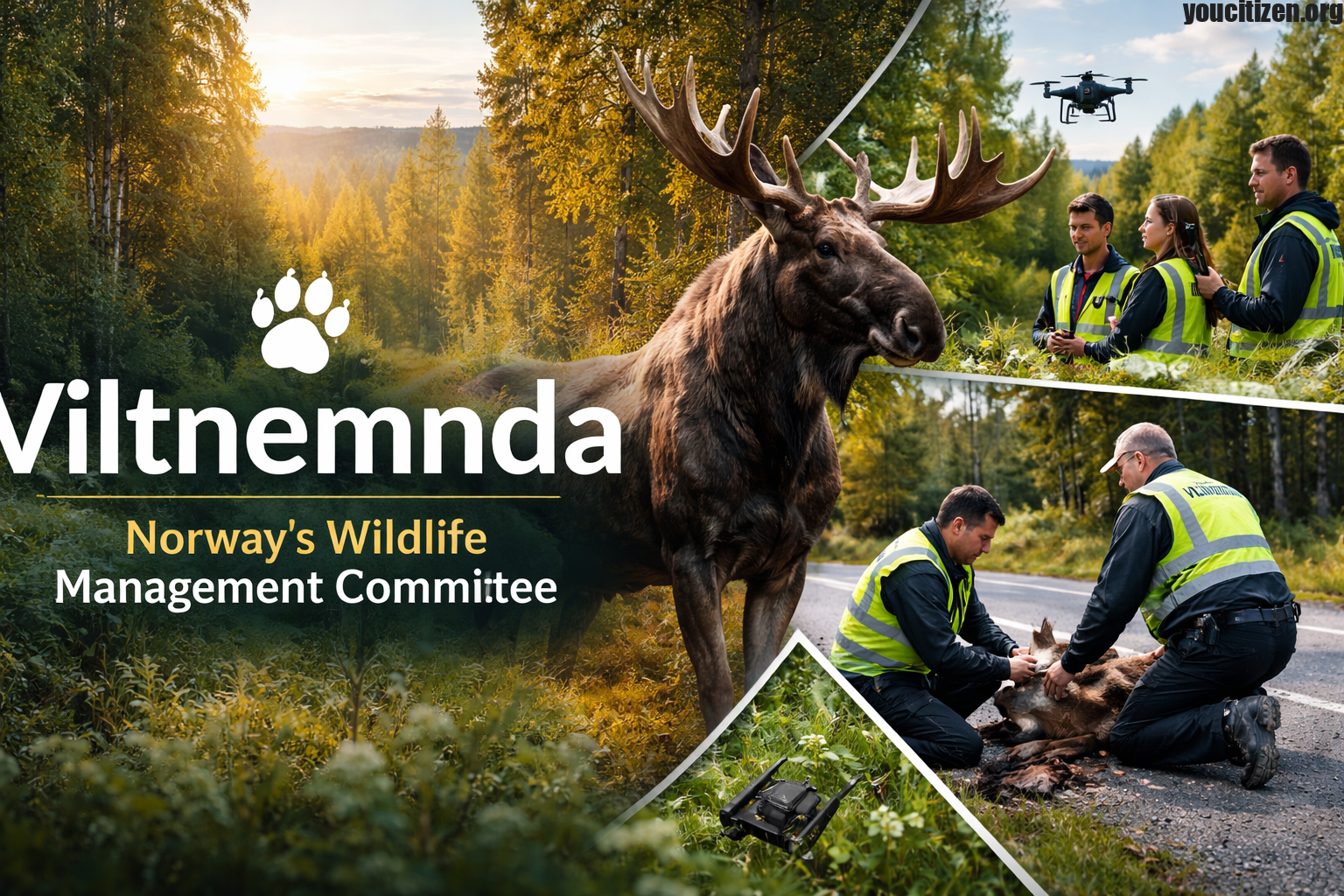
Viltnemnda is an essential part of Norway’s environmental governance system, responsible for managing wildlife at the municipal level. In simple terms, it is a local wildlife committee that ensures wild animals, human activities, and natural ecosystems coexist in a balanced and sustainable way. As modern societies continue to expand into natural habitats, the role of organisations like Viltnemnda has become increasingly important for maintaining ecological harmony and reducing conflicts between humans and wildlife.
Norway is known for its rich natural environment, vast forests, and diverse wildlife populations. Species such as moose, deer, and smaller game animals are widely distributed across the country. Without proper regulation, these populations could grow uncontrollably or decline due to human interference.acts as a bridge between national environmental policies and local implementation, ensuring that wildlife is protected while also being responsibly managed.
Understanding the Meaning of Viltnemnda
The term Viltnemnda originates from Norwegian language, where “vilt” means wildlife or game animals, and nemnda refers to a committee or board. Together, the word describes a structured group responsible for making decisions related to wildlife management.
Viltnemnda operates at the municipal level, meaning each local area in Norway has its own committee that understands regional wildlife conditions. This localised system is important because wildlife populations, habitats, and human activity vary significantly across different regions. By decentralising decision-making, Norway ensures that wildlife policies are practical, relevant, and based on real-time local conditions rather than only national-level assumptions.
Purpose and Importance of Viltnemnda
This includes maintaining healthy animal populations, preventing ecological imbalance, and reducing conflicts between humans and animals. In rural areas especially, wildlife such as moose or deer can cause damage to farmland, forestry, and infrastructure. At the same time, these animals are an important part of Norway’s natural heritage and biodiversity.
Viltnemnda plays a balancing role. It ensures that wildlife is neither overprotected nor overexploited. By carefully regulating hunting and monitoring animal populations, it helps maintain ecological stability. This balance is essential for long-term environmental sustainability, economic stability in rural areas, and public safety.
Structure and Composition of Viltnemnda
Viltnemnda is typically appointed by the municipal council and consists of members with diverse backgrounds. These may include local politicians, hunters, landowners, forestry experts, and individuals with environmental knowledge. This combination ensures that decisions are not made from a single perspective but instead reflect a wide range of practical and scientific viewpoints.
Members usually serve for a fixed term, and their responsibilities require them to evaluate data, review wildlife reports, and make informed decisions about hunting quotas, population control, and conflict resolution. Their role is both administrative and advisory, often requiring cooperation with national environmental authorities and local communities.
Legal Framework Governing Viltnemnda
Viltnemnda operates within a strict legal framework designed to protect both wildlife and ecosystems. Norwegian environmental laws provide the foundation for all decisions made by the committee. These laws ensure that wildlife management is conducted ethically, sustainably, and in line with scientific principles.
Key legal principles include protection of biodiversity, sustainable use of natural resources, and prevention of unnecessary harm to animals. Viltnemnda must follow these guidelines when setting hunting quotas, managing wildlife incidents, or implementing conservation measures. This legal structure ensures accountability and consistency across all municipalities.
Wildlife Population Management
One of the most important responsibilities of Viltnemnda is monitoring and managing wildlife populations. This involves collecting data on animal numbers, migration patterns, reproduction rates, and habitat conditions. Based on this information, the committee determines whether populations are stable, increasing, or decreasing.
For example, if a deer population grows too large, it may lead to overgrazing and environmental damage. In such cases, Viltnemnda may adjust hunting quotas to reduce the population to a sustainable level. On the other hand, if a species is declining, stricter protection measures may be introduced. This dynamic approach ensures long-term ecological balance.
Viltnemnda Regulation of Hunting Activities
Hunting is an important part of wildlife management in Norway, but it must be carefully regulated to prevent overhunting. Viltnemnda plays a central role in setting hunting quotas, seasons, and permissions based on scientific data and environmental assessments.
Hunting is not viewed purely as a recreational activity but as a management tool. It helps control population levels, reduce human-wildlife conflict, and support ecosystem balance. Viltnemnda ensures that hunting is carried out responsibly, legally, and sustainably. Without such regulation, wildlife populations could become unstable, leading to ecological and economic problems.
Human and Wildlife Conflict Management
As human settlements expand into natural areas, interactions between people and wildlife have increased. Viltnemnda is responsible for managing these conflicts in a safe and controlled manner. Common issues include animals entering residential areas, crop damage caused by grazing animals, and threats to livestock.
When such situations occur, Viltnemnda assesses the severity of the problem and determines appropriate action. This may include preventive measures such as fencing, relocation of animals, or in some cases, controlled removal. The goal is always to minimise harm while protecting both human interests and animal welfare.
Road Safety and Wildlife Accidents
- Wildlife vehicle collisions are a serious issue in rural and forested areas of Norway.
- Large animals such as moose can cause dangerous road accidents for both humans and animals.
- Viltnemnda works with local authorities and emergency services during such incidents.
- The committee ensures injured wildlife is treated in a humane and responsible way.
- Quick response is prioritised to reduce risks and manage accident sites safely.
- Viltnemnda helps coordinate removal or control of dangerous situations on roads.
- Preventive measures are supported to reduce future accidents.
- These measures include warning signs in high-risk areas.
- Habitat planning is used to guide animal movement away from busy roads.
- The overall goal is to improve road safety and protect wildlife at the same time.
Biodiversity Protection about Viltnemnda
Beyond population control and conflict management, Viltnemnda also plays a role in conservation. Protecting biodiversity is a key aspect of its mission. Healthy ecosystems depend on a balanced relationship between predators, prey, and their environment.
it supports conservation efforts by monitoring habitats, protecting vulnerable species, and ensuring that human activities do not disrupt ecological systems. This long-term approach helps preserve Norway’s natural heritage for future generations.
Data Collection and Decision Making of Viltnemnda
Modern wildlife management relies heavily on accurate data.collects and analyses information from various sources, including field observations, hunting reports, and scientific studies. This data-driven approach allows for informed decision-making.
By understanding trends in wildlife populations and environmental changes, Viltnemnda can respond proactively rather than reactively. This improves the effectiveness of wildlife management strategies and ensures better outcomes for both nature and society.
Challenges Faced by Viltnemnda
Despite its important role, Viltnemnda faces several ongoing challenges. Climate change is altering animal behaviour and migration patterns, making population management more complex. Urban expansion continues to reduce natural habitats, increasing human-wildlife interactions.
Additionally, balancing different interests such as conservation, agriculture, and hunting can be difficult. Limited resources in some municipalities also create operational challenges. These issues require continuous adaptation and cooperation between local and national authorities.
Future of Viltnemnda
The future of Viltnemnda is likely to involve greater use of technology and scientific tools. GPS tracking, drone monitoring, and advanced data modelling are expected to improve wildlife management accuracy. Digital systems may also make reporting and decision-making more efficient.
As environmental challenges grow, Viltnemnda will continue to play a critical role in ensuring sustainable coexistence between humans and wildlife. Its importance is expected to increase as societies place greater emphasis on conservation and environmental responsibility.
Conclusion
Viltnemnda is a cornerstone of Norway’s wildlife management system, ensuring that animals, ecosystems, and human communities coexist in balance. Through careful regulation, data-driven decision-making, and local involvement, it maintains ecological stability while supporting sustainable development.
Its role goes far beyond simple administration.represents a model of how local governance can effectively manage natural resources in a responsible and sustainable way. As environmental pressures increase globally, systems like Viltnemnda provide valuable lessons for wildlife management worldwide.
FAQs
What does Viltnemnda do?
It monitors wildlife populations, sets hunting quotas, manages wildlife accidents, and helps reduce conflicts between humans and animals.
Who is part of Viltnemnda?
It usually includes local politicians, hunters, landowners, and environmental or forestry experts appointed by the municipality.
Is Viltnemnda responsible for hunting rules?
Yes, Viltnemnda helps regulate hunting seasons, quotas, and permits to ensure sustainable and controlled wildlife management.
What happens when a wildlife road accident occurs?
Viltnemnda works with emergency services to manage the situation, ensure animal welfare, and reduce danger to people on the road.
Does Viltnemnda protect wildlife?
Yes, it plays an important role in conservation by maintaining balanced animal populations and protecting biodiversity.